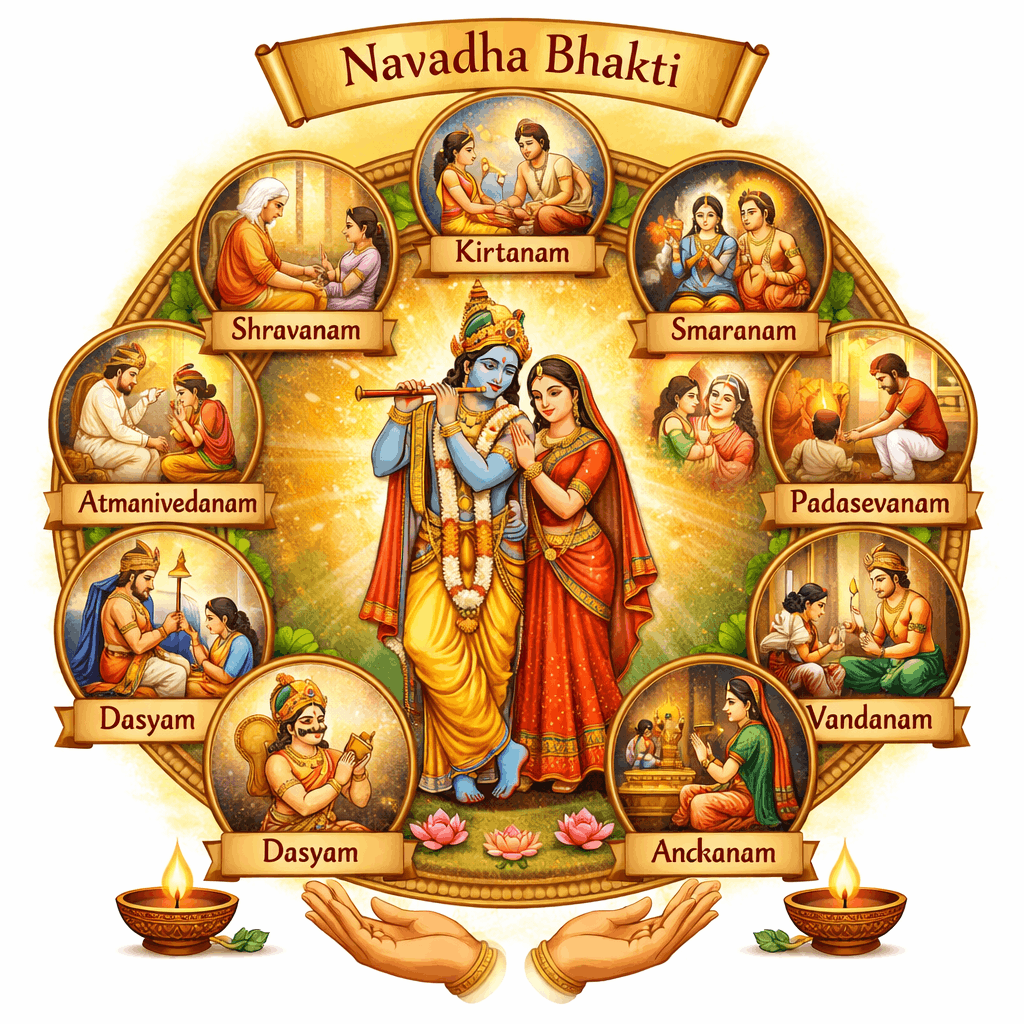
The closer you move to God, the farther you move from fear.
The sacred practice of devotion, meditation, and divine connection.
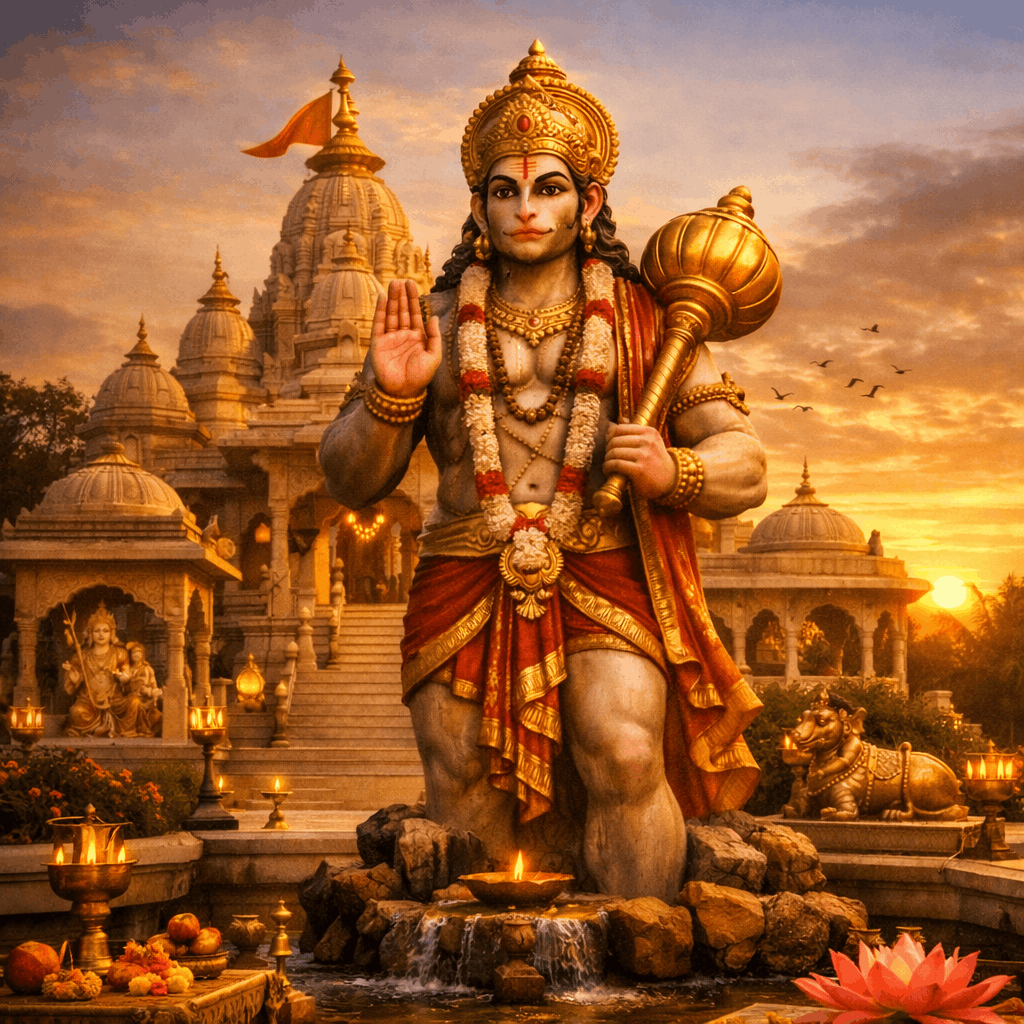
Morning and evening aartis fill the temple with divine vibrations.
A peaceful environment for mantra recitation and meditation.
Collective prayers strengthen unity and spiritual growth.
Flowers, lamps, and incense symbolize purity and surrender.
Major festivals like Maha Shivratri, Janmashtami, and Hanuman Jayanti celebrated with devotion and joy.
Temple Worship is the soul of devotion — a sacred act that connects every heart to divine love, peace, and spiritual awakening.
The sacred rhythm of devotion, meditation, and divine connection.
Daily aartis and chants invoke divine blessings and serenity.
Devotees meditate together, creating an aura of harmony and spiritual energy.
Soulful devotional songs inspire love and devotion.
Teachings from saints and gurus deepen understanding of dharma and self‑realization.
A space for devotees to share experiences and grow spiritually together.
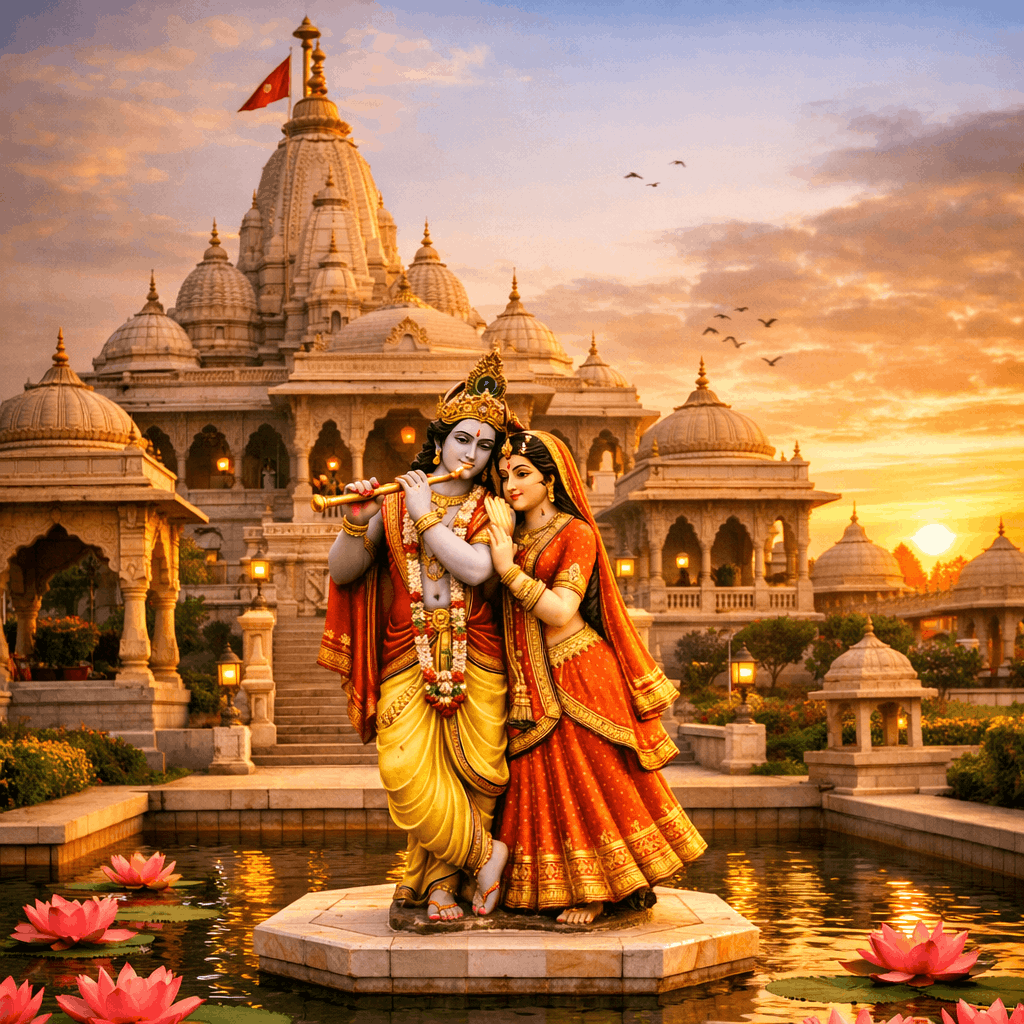
Daily Prayers & Spiritual Gathering bring hearts together in devotion, spreading peace, positivity, and divine grace throughout the temple.
The sacred rhythm of devotion, meditation, and divine connection.
Soulful bhajans and kirtans that inspire love and surrender.
Community participation strengthens faith and harmony.
Hymns create an aura of positivity and divine energy.
Preserving traditional ragas and verses passed down through generations.
Hymns enrich festivals like Janmashtami, Navratri, and Ram Navami.
Hymns are prayers in melody — a sacred way to connect with the divine, uplift the spirit, and share devotion as one community.
The sacred rhythm of devotion, meditation, and divine connection.
Listening to (Shravan) and singing (Kirtan) the Lord's divine pastimes, stories, and holy names.
Remembering the Lord at all times.
Serving the lotus feet of the Lord or His devotees.
Worshipping or adoring the Divine according to prescribed rituals and procedures.
Offering obeisance to the Lord (Vandan) and serving Him while regarding oneself as His servant (Dasya)—just as Lord Hanuman did.
Regarding the Divine as a friend (Sakhya) and completely surrendering oneself (Atmanivedan).